
Finally — some hands‑on material 🔧. Let’s talk about the most important thing: finding winning combos. And since right now everything is being poured exclusively through PWA, that’s where we’ll focus 👇
The biggest mistake most buyers make (at least the ones who came to run traffic with us) is chaotic testing 💥. They dig up something “cool” in a spy tool 🔍 and try to build their own campaign around it.
That’s okay in general ✅, but you still need to put a structure on top of all that.
So, if you’re given, say, a $5000 budget 💰, your first task is not to dump it all into one hypothesis. Instead – break the market into segments and filter out what works and what doesn’t under current launch conditions 🎯.
That’s exactly what we’ll talk about below: test structure 🧠
🧩 4 Types of PWA as the Foundation of Your Tests
When we talk about a systematic test, the PWA market logically splits into four directions 🔄. Each one covers a different player behavior scenario:
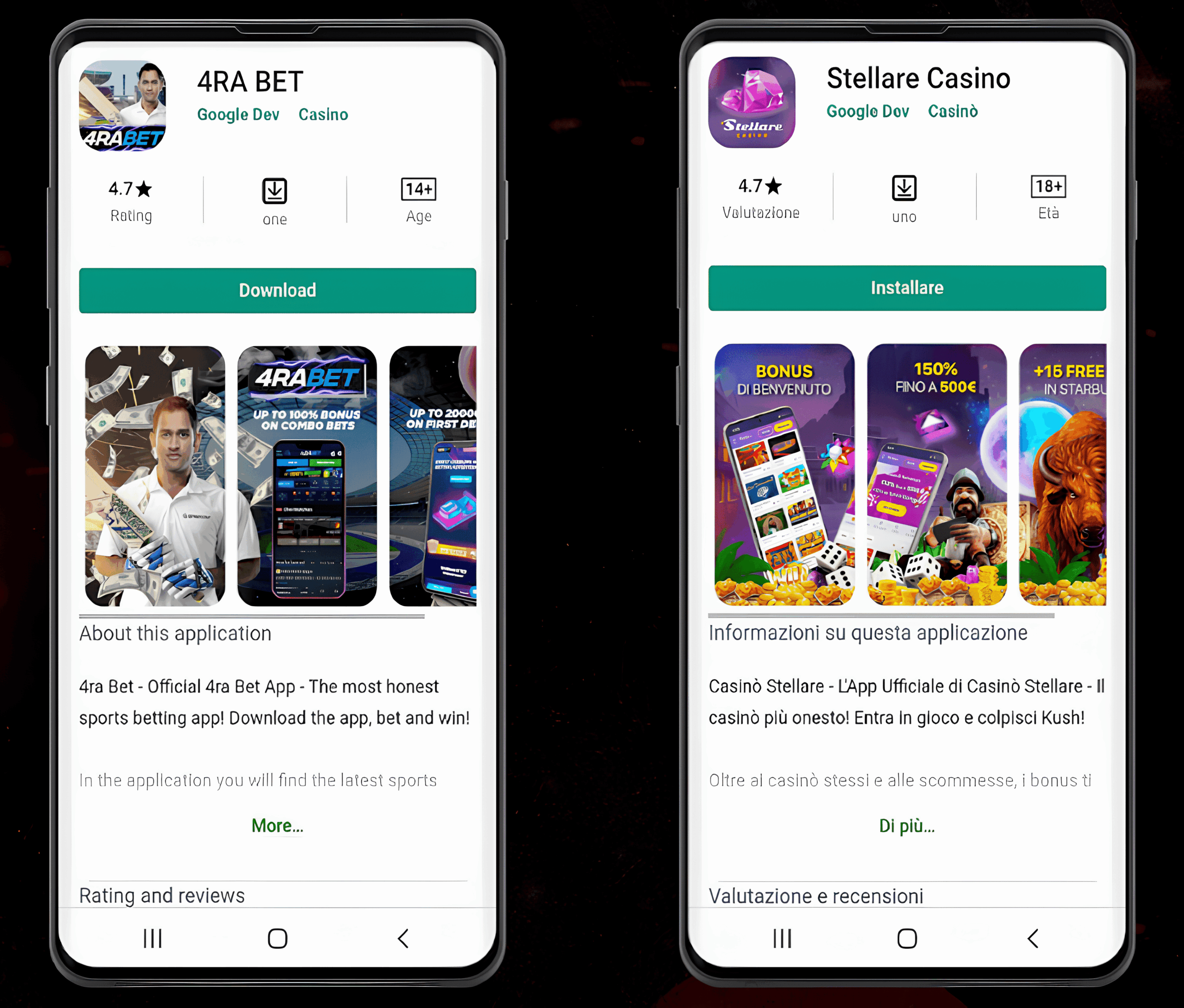
1️⃣ Branded PWA – tied to a specific casino 🏷️
Here you work through brand recognition and direct demand.
👉 To run this smoothly, you need reliable Google Ads accounts – fresh, aged, or with spent thresholds.
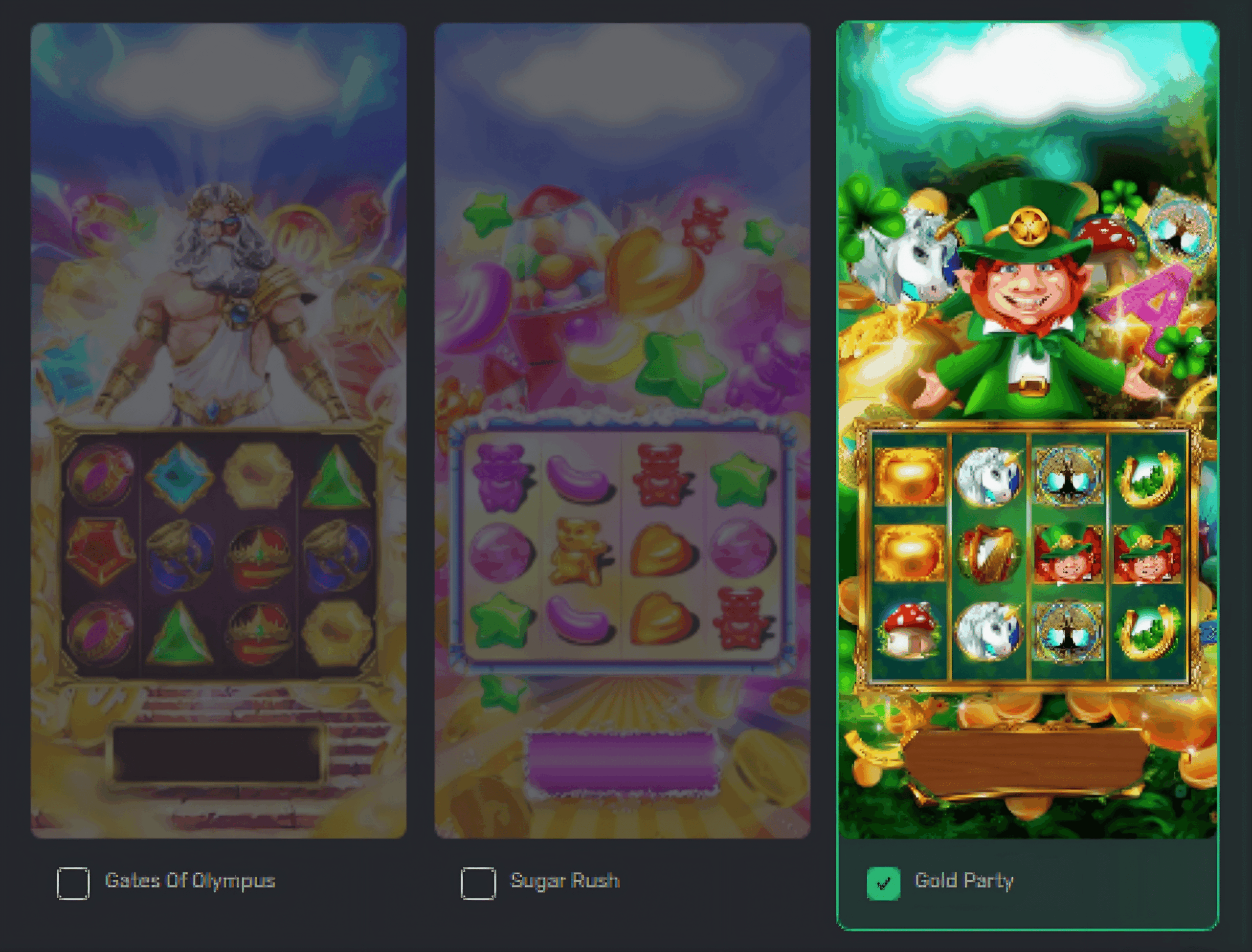
2️⃣ & 3️⃣ – Two slot‑based PWAs 🎰
Rekls love slot traffic 💸, so we double down on it.
First slot: an obvious, popular one – whatever is currently hyped or sitting in the TOPs for your GEO 🔥
Second slot: your own pick – a wildcard 🃏
The second slot is an attempt to catch an unexpected trend 📈 or to enter a product that the audience hasn’t “burned out” on yet.
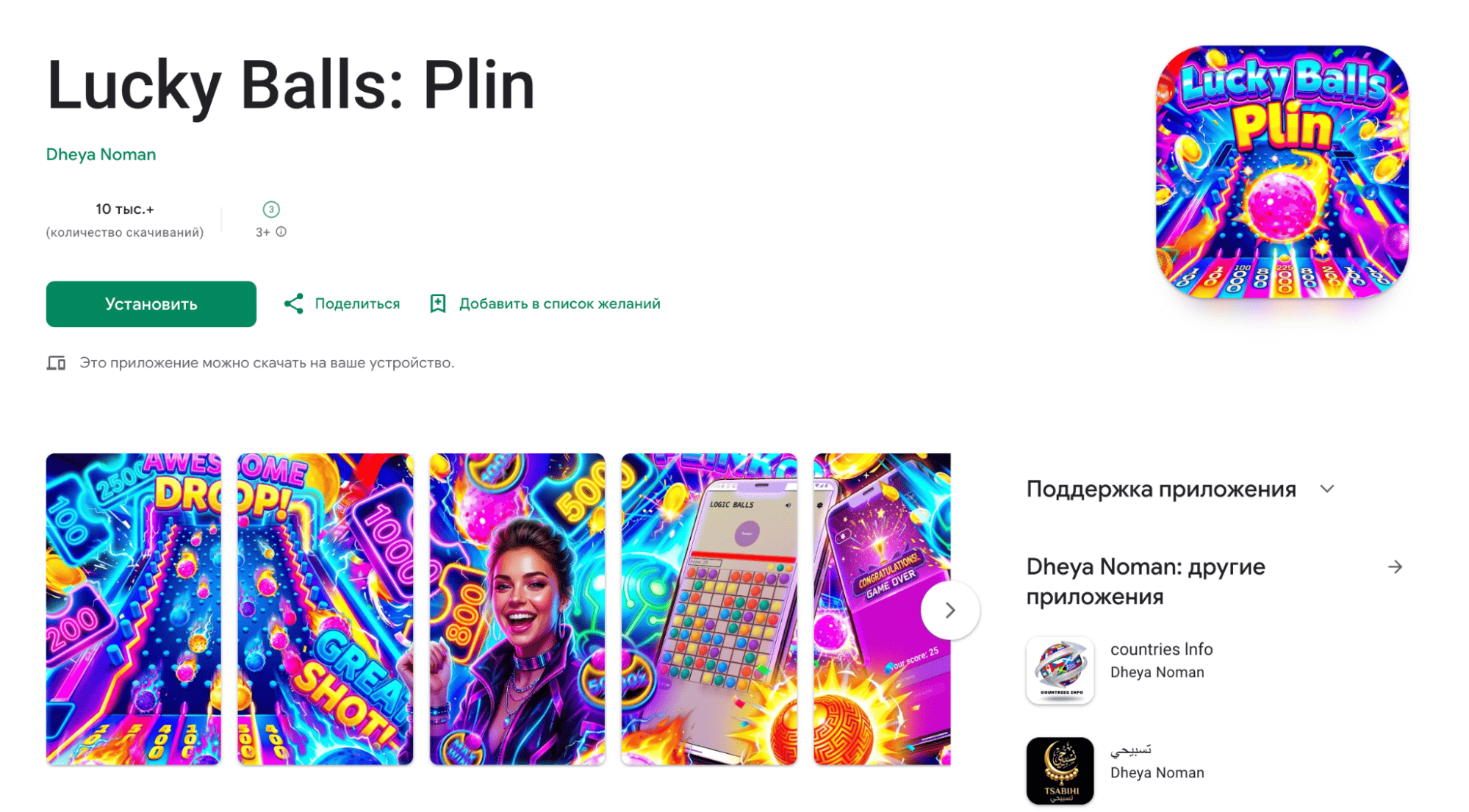
So in the end, we don’t get a chaotic test 🌀 — we get a full market map 🗺️.
These 4 PWAs cover the main types of player intent:
Brand 🏷️
Hype slot 🔥
Non‑standard slot 🃏
Crash mechanic 💥
Inside this structure, you can soberly filter out what actually works under current launch conditions ✅ and what doesn’t ❌.
🎬 Three Fundamental Types of Creatives
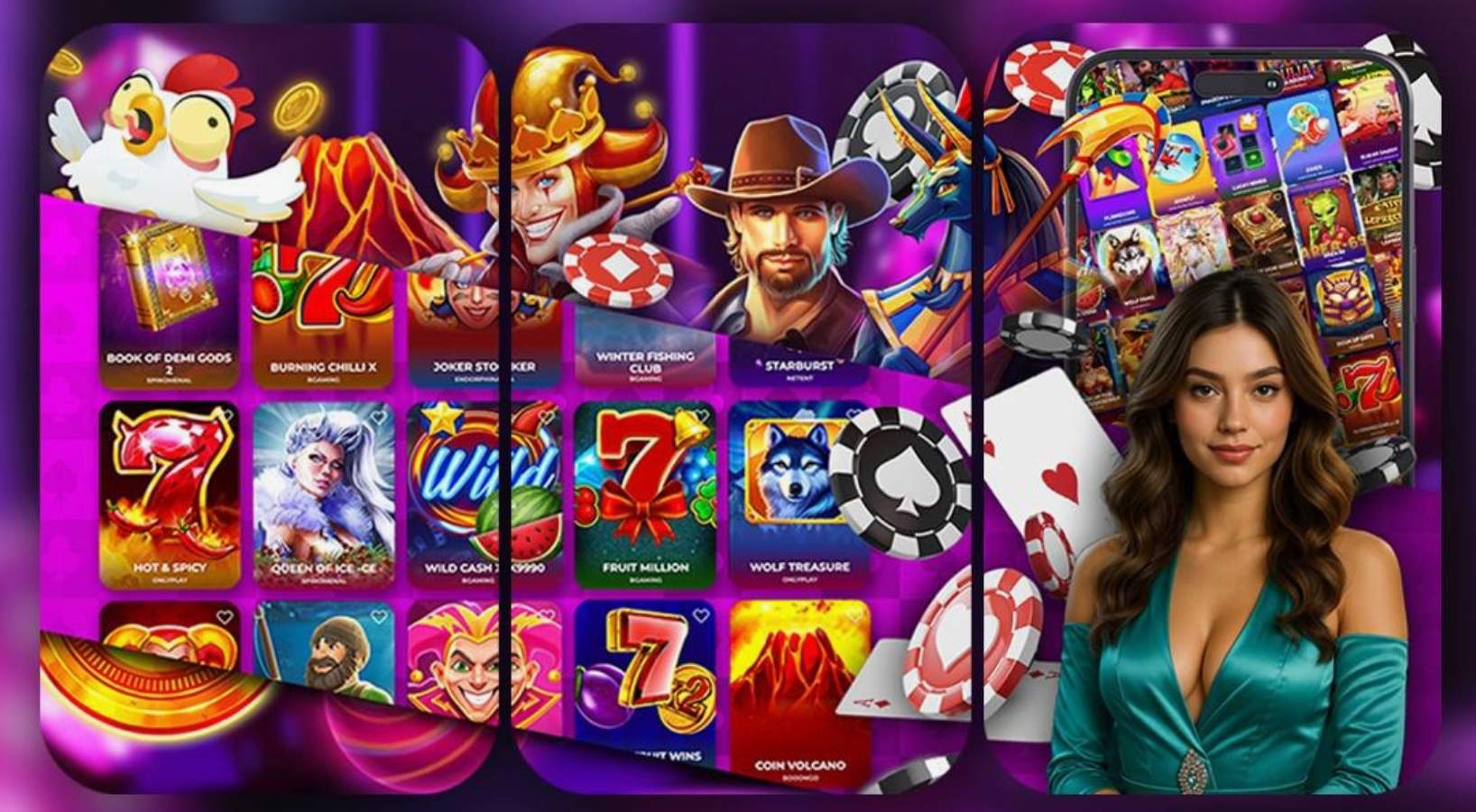
You don’t need to invent dozens of formats for each PWA 🛠️. In gambling, everything boils down to three fundamental creative types 🎰
1️⃣ UGC – User Generated Content 🎥
Live human, TikTok style, “I’m playing”, “look what I found”, vlogger delivery, pseudo‑reviews 🗣️
What works here: the effect of reality and trust. The user doesn’t see an abstract casino – they see a person just like them.
👉 UGC lowers the entry barrier and warms up the audience that’s still hesitating or just browsing 👀
2️⃣ Game Mechanics ⚙️
Pure excitement: Big Win, payouts, spins, multipliers, emotions, slot visuals, dynamics 💥
This also includes gameplay cuts, animations, and any format that shows the process itself.
These creatives don’t explain – they trigger 🧨. They hit the direct desire: “I want that too”.
And most often, they work best on an already pre‑heated gambling audience 🔥
3️⃣ Static 📸
Minimalism. Offer, free spins, logo, clean background. No extra noise 🤫
Static can be branded, slot‑based, or crash – for any PWA.
And it’s often the cheapest tool for audience identification 💰.
If someone clicks on a simple image with “350 free spins” – we’ve almost certainly found a gambler 🎯
We don’t need to convince them for a long time – they’re already in the intent zone ✅

🧠 Connecting the Logic: 4 PWA × 3 Creative Types
When you combine this logic with the 4‑PWA structure (brand, two slots, crash), you get a clear system ✅
4 PWAs × 3 creative types = 12 creatives at launch 🚀
That’s a full marketing cross‑section of the market: different products, different persuasion methods, and a solid understanding of what actually works in a specific GEO 🗺️
📐 Launch Structure: From 1‑5‑1 to 5×1‑1‑1
Most affiliates work with the 1‑5‑1 scheme:
1 campaign, 5 ad sets (different audiences), 1 creative.
The idea is simple – let Facebook collect different cohorts and catch the one that “bites” 🎣
But there’s an alternative logic 🔄
Instead of one campaign with five ad sets, you can run five separate 1‑1‑1 campaigns with static creatives.
Essentially, it’s the same audience search, but cleaner and more controllable. You give the system five attempts to find the cohort that responds to the simplest signal – a static offer (e.g., “350 free spins”) 🃏
☝️ When one of these campaigns starts showing good metrics – clicks, behavior, early signals – you’ve found your gambling audience 🎯.
The rest get turned off.
🚀 What to Do Next with All This
The most interesting part begins after you’ve found a working ad set – an audience that already delivers decent metrics 📈
At this point, most buyers go off to look for new audiences. But it’s smarter to first squeeze the maximum out of the cohort you’ve already identified 💡
If static worked, you’ve passed the identification stage ✅
You now know: these are your people, they react to the offer, they’re in gambling intent.
Next task – not just running the same image, but reinforcing this audience with other creative types.
Static in this logic = a filter (“who are you?”) 🔍
UGC and mechanics = persuasion tools (“why should you come in?”) 🎥
One person might not click on a dry offer but will react to live UGC.
Also, the static that already delivered results should be uniqualized (rewritten/re‑designed) and constantly fed with fresh variants so the original creative doesn’t burn out too quickly 🔥➡️🧯
🎯 Instead of Endless Hunting – Go Deeper
Instead of endlessly searching for new segments, we start working deeper with the audience we’ve already found 🕳️
We add formats, increase touchpoints, and systematically persuade the same cohort.
This is no longer just a test – it’s full‑fledged work with user behavior 🧠

✅ Final Launch Model
Let’s put it all together 🧩
Here’s the clear structure:
4 PWAs
→ 1 branded 🏷️
→ 2 slot‑based (popular + test slot) 🔥🃏
→ 1 crash 💥3 creatives per PWA
→ UGC 🎥
→ Game mechanics ⚙️
→ Static 📸Launch – through several 1‑1‑1 campaigns with static to find the audience 🔍
After finding a working cohort – add UGC and mechanics into the same ad set 🚀
🎯 This Is the System
First, you build a market map 🗺️
Then you identify the audience 🎯
Then you persuade them using different tools 🧠
And most importantly – you stop just burning through your budget 💸 and start consciously managing attention and player behavior 👊